If you suffer from migraines, talk with your doctor about how alcohol may affect you. If you experience migraine headaches after drinking alcohol, it may be best to avoid alcohol or that certain type of alcohol. Talk with a doctor about ways to Substance abuse identify your migraine triggers and what to do if you develop these headaches.
How Long Does Alcohol Stay in Your Body?
The correlation between alcohol and migraines, though, might not be as strong as once reported. Furthermore, this study found that there was a decreased likelihood of an attack 24 to 48 hours after consumption. Drinking even a small amount of alcohol may trigger a migraine or headache in people with migraine.
Hangover Headache Treatment
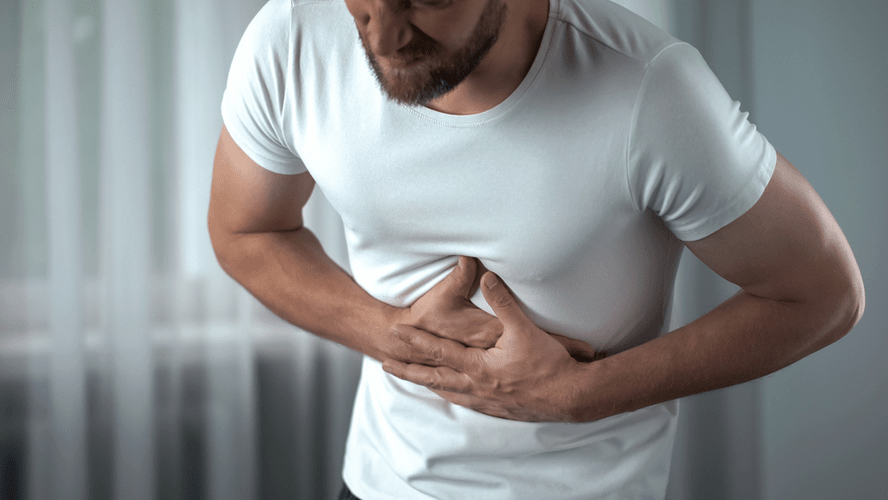
Ever wonder why a night of bourbon can leave you with a sledgehammer headache, while a few vodka sodas barely make a dent?
But for some of us, that joyous sip can come at a cost – a pesky headache.
They can be an early warning sign that the brain is struggling to manage pain properly.
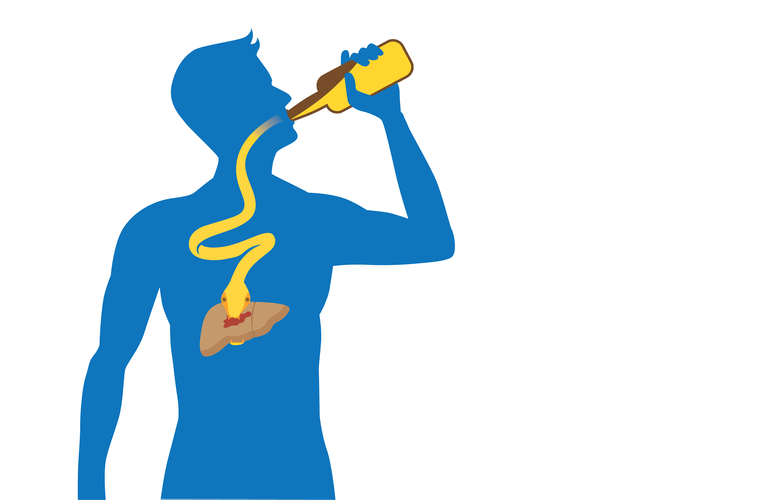
Drinking alcohol can increase inflammation in the body, which may be why some people experience migraines when they drink.
Additionally, certain alcoholic beverages, particularly those high in congeners such as red wine, whiskey, and dark beer, are more likely to cause headaches in susceptible individuals.
Nausea and/or vomiting is just one of many symptoms a person living with migraine might experience. Treatment options vary, from acute treatment to relieve symptoms to preventive treatment to reduce the number of attacks you experience. There are also behavioral treatment options and lifestyle changes that can help. All of these symptoms are your body’s way of telling you that something has changed.
Beyond Ethanol: Other Headache Triggers in Drinks
A “headache from not drinking alcohol” is a type of headache caused by the sudden cessation of alcohol consumption after one has been drinking for an extended period of time. It is sometimes referred to as a “withdrawal headache” or “hangover headache” and is typically experienced within a few hours of not drinking. These headaches can range from mild to severe and can last for a few hours or even a few days. Prolonged alcohol withdrawal is uncommon, but it happens more often in people who have been drinking a lot for many years.
What causes a “headache from not drinking alcohol”?
However, the study author also cautions that no single factor causes all hangover headaches.
Finally, those who have been regular drinkers may experience headaches due to alcohol withdrawal.
Drinking water alongside alcohol can help maintain hydration and reduce the likelihood of headaches.
They will also find that the headache increases in intensity when any physical activity is taken.
If you wake up after a night of drinking with an attack, it doesn’t necessarily mean the beer is to blame. So, if you’re going to drink beer or other alcoholic drinks, try not to drink too much and avoid your other triggers where possible. This doesn’t mean that you must avoid consuming alcohol altogether; there are ways to minimize the likelihood that why do i get a headache when i drink alcohol drinking will trigger head pain. However, if beer and alcohol often trigger migraine attacks for you, the cons may outweigh the pros. This issue keeps them from enjoying with friends when they go out to parties.
Body Weight
Plus, get practical suggestions on managing these reactions, whether it’s adjusting your diet, medication, or alcohol intake. If you’re concerned about sudden alcohol intolerance, this guide has the answers you need. Any amount of alcohol can have negative side effects, including headaches and nausea.
If you’re unsure whether alcohol is triggering your migraine, keep a detailed migraine journal that includes any foods and alcohol consumed throughout the week. This will be a valuable resource for you and your doctor to start identifying more specific migraine triggers. While anyone can experience https://ecosoberhouse.com/ DAIH, people with migraine are more susceptible. Even a modest amount of alcohol can cause people with migraine to develop a delayed headache or trigger an attack.
You’re not alone – there are plenty of people in AA who don’t believe in God, or who have trouble with the concept of a higher power. People in the rooms refer to this as a ‘god-sized hole’. It’s a void that we used to fill with drugs and alcohol. Once the substances are taken away we feel lost. We will try to fill this god-sized hole with anything we can. Spiritually, we have a difficult time connecting to a higher power.
The important thing is that you stay committed to your sobriety and continue working the program – eventually, everything else will fall into place. As we work towards this state of selflessness we find that we are slowly being relieved of the hopeless alcoholic state we once thought we were doomed to be in forever. It is constant maintenance of being spiritually connected with a god of your understanding. If we do not get spiritually connected with meditation or prayer with a power greater than us it will bring us closer and closer to that drink or drug.
The 12 Steps of AA: A Roadmap to Recovery and Renewal
I wanted to be able to have some integrity but I was not who I wanted to be.
He will presently try the old game again, for he isn’t happy about his sobriety.
It is the emptiness we feel on such a deep level that we turn to self-medication in order to alleviate the sadness and despair that go hand in hand with.
Without addressing this spiritual malady, we have absolutely no hope for intrinsic change or recovery.
You are merely instructed to be open to the idea that you are not the end all be all, that there exists out in the universe something that is greater or more powerful than yourself. Whatever you designate that power to be is up to you. However, you choose to interact with that higher power is also up to you. Whether you seek to engage in formal prayer, informal mental conversations, or merely by doing good and putting positive energy into the universe, there is no right or wrong way to pray to your higher power. Once you open up to this idea and implement that spiritual connection, you will experience your long-awaited spiritual awakening, the answer to that pesky spiritual malady we suffer from as alcoholics. Our recovery from alcoholism through the Steps must be a three-fold process.
Big Book ASL – Appendix II – Spiritual Experience
The 164 and More book is sold on this website at the Publisher List Price of $20.00 plus postage. The book may also be sold by Intergroup/Central Offices or recovery book stores at List Price or slightly higher. But beware of others that sell the book marked up 400% or more. For the same money, you could buy 4 books and use 3 as sponsee gifts. Alcoholism didn’t need David to drink in order to continue trying to kill him, and in the end…it succeeded. In the end, instead of self abandoned…David abandoned hope…and discovered a bitter end.
A Spiritual Remedy for a Spiritual Condition
For me, the circle and triangle represents the Alcoholics Anonymous solution to alcoholism. It is a perfect overview of our three-part answer (unity, recovery, and service) to our three-part disease (physical, mental and spiritual). I also think that it’s important to note that there is a BIG differencebetween “the fellowship” and “the Program.” Both are important.
For a while, that seemed to spiritual malady aa big book work for us but once we stopped using substances the discontentedness came back to the surface in sobriety. A spiritual malady can manifest itself in many different ways. For some, it may manifest as a feeling of being disconnected from others or as a sense of emptiness. For others, it may manifest as anger, anxiety, or depression. The bottom line, a true alcoholic or addict has no power to stop, avoid, or control their drinking. We begin to obsess and buy the lie because we want to feel the ease and comfort of the first drink.
If he did not work, he would surely drink again, and if he drank, he would surely die. With us it is just like that.” Thankfully, the “spiritual malady” is no longer a “missing piece” of Step One for me. It is a reality of my powerlessness and unmanageability and enables me to see why I so desperately need to seek a Power Greater than myself. And unless this malady is recognized, and a course of action (the Twelve Steps) is taken to enable God to remove it, the root of our alcoholic illness can lie dormant and burn us when we least expect it. Process requires for its successful consummation. But we saw that it really worked in others, and we had come to believe in the hopelessness and futility of life as we had been living it.
Want to display this recovery calculator on your own web page?
First published in 1939, its purpose was to show other alcoholics how the first 100 people of A.A. Now translated into over 70 languages, it is still considered A.A.’s basic text. In conclusion, we find that alcoholism/addiction is not a disease but a spiritual malady. A malady that can be remedied with a simple, moral-spiritual approach, as instructed in the text of the Big Book of Alcoholics Anonymous. If you have found yourself or a loved one suffering from alcoholism or addiction, you are not alone!
In the end, instead of self abandoned…David abandoned hope…and discovered a bitter end.
We use everything and everyone, even when we stop using alcohol and drugs to cope with thesefeelings of being unsatisfied and uncomfortable in life.
Research shows that those brain changes that make it so difficult to put down that drink can be reversed thanks to the power of neuroplasticity — the brain’s ability to rewire itself.
When we have the first sip of a drink, or whiff of a drug, it is then controlling our bodies.
Comparison Table Between Illness and Disease
And some of us don’t develop an addiction…in attempting to meet these crying demands of our blocked spirit, we develop other malformations of behavior, and suffer in a hundred different ways. As an alcoholic, parts of my spirit are blocked off. My character, or basic nature, doesn’t work right. At its root, it is a fundamental and seemingly irresolvable insecurity…a hole that can’t ever be filled. It is an instinct run rampant, a desperate need for acceptance and love that cannot be met.
Is it not evident to all the rest of the players that these are the things hewants? And do not his actions make each of them wish to retaliate, snatching all they can get out of the show? Is he not, even in his best moments, a producer of confusion rather than harmony?
If you are an alcoholic, then you know you cannot just put the plug in the jug and quit. If it were as easy as not eating a peanut anymore, then you would have stopped long ago. We did exactly the same thing with our lives. First, we searched out the flaws in our make-up which caused our failure. Being convinced that self, manifested in various ways, was what had defeated us, we considered its common manifestations. Though our decision was a vital and crucial step, it could have little permanent effect unless at drug addiction treatment once followed by a strenuous effort to face, and to be rid of, the things in ourselves which had been blocking us.
These formative experiences can show up in your relationships, your work life or your parenting approach—essentially, in how you see yourself. If you grew up in a home shaped by addiction, you most likely feel the impact as an adult, even if you’ve built a life for yourself that looks very different. We believe everyone deserves access to accurate, unbiased information about mental health and recovery.
In order to overcome thought patterns such as these, it takes hard work—usually with a behavioral health professional—of examining and re-structuring your underlying foundation and view of yourself. Stay close to family and friends while getting the support you need. These habits can quickly turn into detrimental addictions like gambling addiction, alcohol addiction, and addictions to various illicit substances. Thus, for those who had parents that struggled with substance abuse, they often experience their own set of difficulties, born from the need to adapt to a dysfunctional household. The organization Adult Children Of Alcoholics & Dysfunctional Families (ACOA), aims to arm these adults with tools to overcome and create healthier, more sustainable habits. Children who grow up in an unhealthy, dysfunctional home environment tend to struggle with their own set of problems later in life.
Start the road to recovery
In these individuals, this is often modeled from parental behaviors and compounded by inconsistent or absent emotional validation in childhood.2 Growing up with an alcoholic parent often means facing unpredictable emotional climates – where anger, silence, or chaos can erupt without warning. We also know that many adults whose parents were addicted to alcohol are more likely to develop a substance use disorder themselves. Therapy can help you understand your past, break unhealthy patterns and build emotional resilience. Children of parents with alcohol/drug addiction are Commission-based jobs raised in unpredictable environments. The emotional patterns and coping strategies from childhood don’t just disappear with age.
You can click stay here to remain on adultchildren.org Unfortunately, a tool that breaks when used inappropriately may be replaced; children cannot. Moreover, families of alcoholics tend to be less organized, less cohesive, and marked by increased levels of conflict than nonalcoholic families. Still, what are the specific developmental implications of living within a family stained by alcoholism? The Bully – This child is usually the victim of physical, sexual and/or emotional abuse, who successfully makes the mental transition to stop being the victim by victimizing others. This is also the child who holds the family together — the family rallies to help the family jerk.
What is the Adult Children of Alcoholics movement?
ACoA often feel like they are the only ones who experience these patterns, but this is far from true. Therapy is not only about healing pain—it’s about reclaiming joy. With the support of a therapist, you can redefine success on your own terms and learn how to embrace your humanity—flaws, mistakes, and all. If you learned that success was your way to earn love or safety, therapy can help you shift from self-criticism to self-acceptance. You’ll also learn to identify red flags and foster deeper, more secure connections based on trust rather than survival patterns.
The path to healing for adult children of alcoholics can be complex due to the multifaceted nature of the trauma they’ve experienced. Adult children of alcoholics (ACOA) are individuals who grew up in households with alcoholic parents and often experience lasting emotional and psychological effects from that upbringing. There is a marked prevalence of mental health issues among adult children of alcoholics who present higher rates of anxiety and depression, substance abuse Chelsea House Review disorders and post-traumatic stress disorder (PTSD).
An adult child is someone who meets the demands of life with survival techniques learned as children. Acknowledging these issues is crucial for healing, yet children from such backgrounds frequently internalize negative behaviors and attitudes. Growing up in such an environment can make these people emulate their parents’ behaviors. Our writers and reviewers are experienced professionals in medicine, addiction treatment, and healthcare. If you or someone you know is struggling as a child of alcoholics, find further information and help about ACoA on their website. ACoA is a mutual support organization and a 12-step program to help those who grew up in homes affected by alcohol use disorder or other forms of family dysfunction.
As such, many children of alcoholics continue to avoid conflict in their adult lives, which affects their mental, physical, and social health. In the U.S., there are over 76 million adult children of alcoholics, many of whom have shared experiences.3 Some adult children of alcoholics (or ACoAs) turn to alcohol themselves, while others find themselves disconnected from the world around them. As a result, adult children of alcoholics, or ACOAs, often face a number of characteristic difficulties in adulthood. Children of Alcoholics Week happens this month, and for many people in recovery, the struggles caused by growing up with a parent living with an active addiction continue to plague their abilities to live balanced and emotionally healthy lives. Although common sense would suggest that parental alcoholism would not be a positive influence, and whereas all children are not impacted equally, there is striking evidence that COAs have felt that their families were not “real” families and that the family environment was adversely impacted by an alcoholic parent (Wilson and Orford 1978).
These experiences can affect their emotional well-being, decision-making, and how they interact with others as adults. Call now for 24/7 addiction support Get professional help from an addiction and mental health counselor from BetterHelp via phone, video, or live-chat. Many people choose online therapy, due to its accessibility and the comfort of remaining in their own home. Beyond the use of the ACA 12-step support model, many therapists who are trained in treating addiction are familiar with working with ACOA.
And healing from an alcoholic family system means reparenting yourself and breaking old patterns—one conscious step at a time.
The research conclusively indicates that children from alcoholic family systems are more prone to develop life-long psychological and/or behavioral problems than children from nonalcohol-focused family systems (e.g., Black 1981; Crespi 1985, 1990; Jacob et al. 1999; Woititz 1985, 1983).
Learn how the “Blame-Shame-Game” affects loved ones of people with addiction—and what you can do to stop the cycle and create healthier family dynamic…
Join our global mission of connecting patients with addiction and mental health treatment.
We will answer your questions and help you on your journey to recovery.
Take Back Control of Your Life in Rehab
If you or someone you love is facing an addiction to drugs or alcohol, it can be hard to quit alone. Many ACoAs share patterns such as difficulty trusting others, perfectionism, emotional dysregulation, conflict avoidance, and a negative self view. And growing up with a parent with addiction makes it feel even more so.
The intensity and chaos of alcohol use disorder are traumatic.
As a result, adult children of alcoholics, or ACOAs, often face a number of characteristic difficulties in adulthood.
These meetings, available to everyone and focusing on spiritual guidance, offer a path toward recovery and personal growth.
Building a conceptual framework, Edward M. Scott (1970) identified an assortment of roles often assumed by children of alcoholics.
Broken promises and inconsistent caregiving can lead to suspicion or over-vigilance in relationships.
Some adult children of alcoholics (or ACoAs) turn to alcohol themselves, while others find themselves disconnected from the world around them.
Welcome to Drug Rehab Featured by Addiction Resource Team
Even if it is well-meant, accurate, or constructive, their response is often to villainize the person making the criticism, say that they don’t know what they are talking about or to shut down the discussion with some form of emotional manipulation (e.g., crying, silent treatment, blaming, etc.). A child who grows up with a parent or caregiver who drinks heavily and/or uses drugs is never a priority. Bygholm Christensen and Niels Bilenberg (2000) found that COAs had more than twice the risk as non-COAs for depression and social behavioral disorders and enhanced risk for alcoholism. Such roles (e.g., Wegschscheder-Cruse 1989) can include the enabler, the hero, the scapegoat, the lost child, or the mascot.
Negative Self-View
But bottling up your emotions or avoiding them isn’t healthy. But the truth is that your needs are important too, and learning how to communicate them is essential in adult relationships. Your parents may tell you that they drink to deal with your misbehavior. Pursuing healing through rehab or therapy can help you develop a truer sense of self-love. And because they rely on others for almost anything, it’s common for these children to grow up feeling like they can’t do anything right.
Increased Risk of Addiction and Mental Health Issues
The Mascot – Often a younger child who uses humor or other distracting behavior, such as being exceptional clumsy or always in trouble, to take the focus of the family away from the problems of the family dysfunction. This is often a child who uses their success to find a sense of belonging — the one who shows the family is “all right,” but who is unable to feel the benefit of his/her achievements. Therapy can help you learn how to set boundaries in relationships, assert your needs, and stop people-pleasing behaviors.
Addiction Center does not endorse any treatment facility or guarantee the quality of care provided, or the results to be achieved, by any treatment facility. Addiction Center is not a medical provider or treatment facility psilocybin mushroom description and does not provide medical advice. Find rehab for yourself or a loved one by speaking with a treatment provider. Start the road to recovery
Amphetamine dependence, a type of stimulant use disorder, occurs when you need the drug to function on a daily basis. You’ll experience symptoms of withdrawal if you’re dependent and you abruptly stop using the drug. Both prescribed and street amphetamines can be misused and cause use disorder. This adjustment period can be highly distressing for both the individual experiencing withdrawal and their loved ones.
Other life-changing complications
That reward response means that the continual use of the substance creating it is reinforced by the brain. Addiction is a chronic disorder, and it can be diagnosed as is the case with other medical conditions. No specific treatment is needed when patients stop taking of amphetamines. Patients whose depression persists for more than a brief period after amphetamines are stopped may respond Amphetamine Addiction to antidepressants. Evaluation may include CT, lumbar puncture, and laboratory tests to identify infections and metabolic abnormalities.
Can You Die of Heroin Withdrawal? Risks, Challenges & Management
Essentially, drinking alcohol facilitates your inhibitory neurotransmitters and suppresses your excitatory neurotransmitters, whereas amphetamines increase the availability of excitatory transmitters. Methamphetamine is a synthetic (man-made) substance that is the most destructive, addictive and neurologically damaging of amphetamines. It can cause increased attention spans, improved ability to focus on specific tasks or activities, and improve hyperactivity related behavioural issues. Physical and chemical restraints may be necessary if the individuals exhibit psychotic symptoms involving extreme agitation and aggression. Benzodiazepines are generally used for sedation in such cases, but antipsychotics like haloperidol may also be used in severe cases. AddictionResource aims to present the most accurate, trustworthy, and up-to-date medical content to our readers.
Each center is ready to help people learn how to cope with their Ambien addiction and uncover the root causes for their substance use disorder.
These brain chemicals, also called neurotransmitters, enable communication between brain cells.
The first step is an assessment to evaluate the extent of the addiction and any underlying issues.
You might experience mood swings, anxiety, or even depression as the drug’s euphoric effects wear off.
Furthermore, the withdrawal process from amphetamine addiction can be particularly uncomfortable, with symptoms that can exacerbate existing health problems. It’s not uncommon to experience intense cravings, depression, and fatigue as your body tries to recalibrate to function without the drug. When someone abuses illicit or prescription amphetamines, they often experience physical symptoms such as decreased appetite and significant weight loss. This weight loss isn’t healthy or sustainable; it stems from your body being in a constant state of overdrive, which can lead to malnutrition and other serious health issues. It’s important to address these symptoms early, as amphetamine addiction can have serious long-term effects on your health and well-being. If you or someone you know exhibits these symptoms, seeking professional help is crucial for recovery.
Table of contents
Patients can also experience a spike in blood pressure due to amphetamine toxicity, which may reduce if their agitation is treated. Nonetheless, some patients may require specific medications to reduce their high blood pressure. Agents such as nitroglycerin and nicardipine could be effective in these situations. Beta-blockers should not be used alone as they might actually exacerbate high blood pressure in such cases. Similarly, if the patient is showing signs of high body temperature, it may decrease with the treatment of agitation.
Your Ongoing Recovery
During withdrawal, individuals can expect feelings such as high anxiety, nausea and irritability. Recognizing the symptoms of amphetamine addiction is crucial for early intervention and treatment. Psychologically, addiction results in paranoia, hallucinations, mood swings, and cognitive impairment, all of which highlight the detrimental impact of prolonged drug use.
My career started in the fashion industry but quickly changed as I searched to find my drive and passion through helping others who struggle with addiction. We have private rehab and detox clinics all across the UK to help you on your journey to recovery. We understand that making the decision to commit to rehab can be difficult, you can schedule a tour at one of your local private rehab centres to see the available facilities, resources and environment. This can help you with taking the first steps towards your rehabilitation. One option we provide that has been a great help to a huge number of patients is our Home Detox programmes.
To understand the warning signs of being on amphetamines, you must first understand what this class of drugs is, and how it works.Amphetamines are stimulants, and they impact the user’s central nervous system. They can be prescribed as a medical treatment for issues such as hyperactivity disorders like ADHD, narcolepsy, and asthma. It’s common for those struggling with amphetamine addiction to also have other mental health disorders, such as depression, anxiety, or bipolar disorder. Known as a “dual diagnosis,” this combination requires specialized treatment that addresses both issues simultaneously.
Amphetamine Addiction Signs and Symptoms of Abuse
Psychological symptoms involve drug-induced psychosis, agitation, excited delirium, anxiety and panic. Cardiovascular events like stroke and arrhythmia are common and may cause death. Other reasons for death related to amphetamine overdose include kidney failure, brain hemorrhage, seizures and respiratory failure.
Mentally, chronic misuse induces psychosis, characterized by hallucinations, delusions, and paranoia, and increases the risk of aggressive behavior.
People should immediately call 911 if an amphetamine overdose is suspected.
For instance, they will cause tachycardia by stimulating the sympathetic nervous system.
This is why it is recommended for those dependent on amphetamines to withdraw in the care of professionals.
During the intervention, these people gather together to have a direct, heart-to-heart conversation with the person about the consequences of addiction. Substituted cathinones, also called “bath salts,” are mind-altering (psychoactive) substances similar to amphetamines such as ecstasy (MDMA) and cocaine. Two groups of synthetic drugs — synthetic cannabinoids and substituted or synthetic cathinones — are illegal in most Halfway house states. The effects of these drugs can be dangerous and unpredictable, as there is no quality control and some ingredients may not be known. People use cannabis by smoking, eating or inhaling a vaporized form of the drug.
Because the nerves to your feet are the longest in your body, they’re often the first to show signs of damage. In this comprehensive guide, we’ll explore what causes neuropathy in the feet, when to be concerned, and what you can do about it. Experts aren’t entirely sure how alcohol contributes to neuropathy yet, but evidence shows chronic drinking can damage peripheral nerves, which causes those unpleasant symptoms you’re probably well-familiar with. While there are no specific self-diagnosis methods for alcoholic neuropathy, individuals experiencing symptoms suggestive of the condition should seek medical attention. Recognizing the symptoms and understanding the potential link to alcoholism treatment alcohol consumption is crucial for early intervention.
Biopsy results
Alcohol misuse can lead to neurological damage that can affect multiple areas of a person’s health and well-being. The best way to avoid the issue is to limit alcoholic consumption to 2 or fewer drinks per day for males and 1 or fewer for females. Once you stop alcohol intake, a doctor can address your specific symptoms. Doctors tailor specific treatments and alcohol abstinence programs to the individual.
Alcoholic neuropathy: possible mechanisms and future treatment possibilities
Someone who struggles with alcoholism may replace meals with alcohol, take in a lot of empty calories, and not maintain a healthy and balanced diet. Alcohol can also deplete the body of essential nutrients, and thiamine (vitamin B1) deficiency is common in people who battle alcoholism. Malnutrition due to alcoholism can contribute to nerve damage and alcoholic polyneuropathy as well. The US National Library of Medicine (NLM) warns that around 50 percent of long-term heavy drinkers will suffer from alcoholic neuropathy. Alcohol consumption has been identified as a significant risk factor for the development and exacerbation of peripheral neuropathy, a condition characterized by damage to the peripheral nerves. These nerves are responsible for transmitting signals between the central nervous system and the rest of the body, controlling movements, sensations, and automatic functions.
Symptoms of Alcoholic Neuropathy
Most people with neuropathy live full, normal https://ecosoberhouse.com/ lifespans when the condition is properly managed. However, your long-term outlook depends on several important factors that we’ll explore in this comprehensive guide. Early alcoholic neuropathy, usually presenting as sensory symptoms in the extremities, is reversible if the patient stops drinking and establishes proper nutrition. However, more severe and prolonged cases may be irreversible, even with abstinence, and lead to lifelong impairment.
While the research material provided does not include detailed anecdotes of individuals cured of alcoholic neuropathy, it does offer some insights into the recovery process.
To learn more about the link between alcohol use and neuropathy, schedule an appointment online or over the phone with a provider at Interventional Pain and Regenerative Medicine Specialists in Northern Virginia.
Elevated reactive oxygen species (ROS) from alcohol metabolism can injure nerve cells and DNA, hindering nerve regeneration.
Drinking alcohol with any neuropathy could cause further damage to nerves. Talk with your doctor before consuming alcohol if you have any diagnosis of peripheral neuropathy. A doctor may diagnose a person with alcoholic neuropathy, if alcohol use has damaged the peripheral nerves. People who drink heavily on a regular basis are at risk of developing this condition. Excessive alcohol consumption can lead to numerous health problems, with one of the most significant being alcoholic neuropathy.
Alcohol-related peripheral neuropathy: a systematic review and meta-analysis
These can affect both your controlled and involuntary movements, as well as sensations.
Several mGluR subtypes have been identified in the superficial dorsal horn of the spinal cord 76, 77 and on primary afferent fibres 78.
The authors noted that Danish beer at the time of the study contained thiamine and vitamin B6.
Alcohol interferes with the normal functioning of nerve cells by disrupting their ability to transmit signals effectively.
Long-term heavy alcohol use, particularly when accompanied by nutritional deficiencies, can damage the body’s nerves, leading to a host of painful and debilitating symptoms. Alcoholic neuropathy can affect both sensory and motor nerves, causing pain, hypersensitivity, numbness, muscle weakness, and lack of coordination and fine motor controls, largely in the extremities. Another study investigated the prevalence of autonomic and peripheral neuropathy among patients with alcoholism.
What are risk factors for alcoholic neuropathy?
Therefore, healthcare providers often recommend strict alcohol avoidance for patients with peripheral neuropathy to prevent symptom aggravation. One of the primary ways alcohol worsens neuropathy is through its direct toxic effect on peripheral nerves. Ethanol and its metabolites, such as acetaldehyde, damage nerve fibers and myelin sheaths, the protective covering around nerves. This damage impairs nerve conduction and can lead to permanent nerve dysfunction.
The serotonin/norepinephrine re-uptake inhibitors (SNRIs), duloxetine and venlafaxine, have a well-documented efficacy in painful polyneuropathy 117, 118. SSRIs have been studied in a few trials which have demonstrated a weak analgesic effect but the clinical relevance of these compounds is questionable 119. N-acetylcysteine, an amino acid, is a potent antioxidant and helps to enhance glutathione concentrations. N-acetylcysteine may have application in the prevention or treatment of neuropathy. Rats with experimentally-induced diabetes for 2 months had a 20% reduction in nerve conduction velocity and 48% reduction in endoneurial blood flow. A mechanism of cisplatin chemotherapy-induced peripheral neuropathy was elucidated in an in vitro mouse model.
However, uncontrolled diabetes and its complications can affect overall health and longevity. Patients who maintain good glucose control and manage cardiovascular risk factors have outcomes similar to the general population. Autonomic neuropathy (affecting automatic can alcohol cause neuropathy body functions) requires closer monitoring. When severe, it can affect blood pressure regulation, heart rate, and digestion. If you’re struggling to control your drinking and worried about alcoholic neuropathy, help is available. For a list of rehabs and treatment centers near you, visit our rehab directory.
Oculomotor Nerve Palsy
Depletion of glutathione increases the susceptibility of neurones to oxidative stress and hyperalgesia 43, 44. In addition, alcohol affects the way your body uses, moves, and absorbs key nutrients essential for nerve functioning. Many people who drink excessively also don’t have the best nutritional intake, further contributing to the development of neuropathy.