Amphetamine Use Disorder Definition, Symptoms, and Causes
Amphetamine dependence, a type of stimulant use disorder, occurs when you need the drug to function on a daily basis. You’ll experience symptoms of withdrawal if you’re dependent and you abruptly stop using the drug. Both prescribed and street amphetamines can be misused and cause use disorder. This adjustment period can be highly distressing for both the individual experiencing withdrawal and their loved ones.
Other life-changing complications
That reward response means that the continual use of the substance creating it is reinforced by the brain. Addiction is a chronic disorder, and it can be diagnosed as is the case with other medical conditions. No specific treatment is needed when patients stop taking of amphetamines. Patients whose depression persists for more than a brief period after amphetamines are stopped may respond Amphetamine Addiction to antidepressants. Evaluation may include CT, lumbar puncture, and laboratory tests to identify infections and metabolic abnormalities.
Can You Die of Heroin Withdrawal? Risks, Challenges & Management
Essentially, drinking alcohol facilitates your inhibitory neurotransmitters and suppresses your excitatory neurotransmitters, whereas amphetamines increase the availability of excitatory transmitters. Methamphetamine is a synthetic (man-made) substance that is the most destructive, addictive and neurologically damaging of amphetamines. It can cause increased attention spans, improved ability to focus on specific tasks or activities, and improve hyperactivity related behavioural issues. Physical and chemical restraints may be necessary if the individuals exhibit psychotic symptoms involving extreme agitation and aggression. Benzodiazepines are generally used for sedation in such cases, but antipsychotics like haloperidol may also be used in severe cases. AddictionResource aims to present the most accurate, trustworthy, and up-to-date medical content to our readers.
- Each center is ready to help people learn how to cope with their Ambien addiction and uncover the root causes for their substance use disorder.
- These brain chemicals, also called neurotransmitters, enable communication between brain cells.
- The first step is an assessment to evaluate the extent of the addiction and any underlying issues.
- You might experience mood swings, anxiety, or even depression as the drug’s euphoric effects wear off.
Furthermore, the withdrawal process from amphetamine addiction can be particularly uncomfortable, with symptoms that can exacerbate existing health problems. It’s not uncommon to experience intense cravings, depression, and fatigue as your body tries to recalibrate to function without the drug. When someone abuses illicit or prescription amphetamines, they often experience physical symptoms such as decreased appetite and significant weight loss. This weight loss isn’t healthy or sustainable; it stems from your body being in a constant state of overdrive, which can lead to malnutrition and other serious health issues. It’s important to address these symptoms early, as amphetamine addiction can have serious long-term effects on your health and well-being. If you or someone you know exhibits these symptoms, seeking professional help is crucial for recovery.

Table of contents
Patients can also experience a spike in blood pressure due to amphetamine toxicity, which may reduce if their agitation is treated. Nonetheless, some patients may require specific medications to reduce their high blood pressure. Agents such as nitroglycerin and nicardipine could be effective in these situations. Beta-blockers should not be used alone as they might actually exacerbate high blood pressure in such cases. Similarly, if the patient is showing signs of high body temperature, it may decrease with the treatment of agitation.
Your Ongoing Recovery
During withdrawal, individuals can expect feelings such as high anxiety, nausea and irritability. Recognizing the symptoms of amphetamine addiction is crucial for early intervention and treatment. Psychologically, addiction results in paranoia, hallucinations, mood swings, and cognitive impairment, all of which highlight the detrimental impact of prolonged drug use.
My career started in the fashion industry but quickly changed as I searched to find my drive and passion through helping others who struggle with addiction. We have private rehab and detox clinics all across the UK to help you on your journey to recovery. We understand that making the decision to commit to rehab can be difficult, you can schedule a tour at one of your local private rehab centres to see the available facilities, resources and environment. This can help you with taking the first steps towards your rehabilitation. One option we provide that has been a great help to a huge number of patients is our Home Detox programmes.
To understand the warning signs of being on amphetamines, you must first understand what this class of drugs is, and how it works.Amphetamines are stimulants, and they impact the user’s central nervous system. They can be prescribed as a medical treatment for issues such as hyperactivity disorders like ADHD, narcolepsy, and asthma. It’s common for those struggling with amphetamine addiction to also have other mental health disorders, such as depression, anxiety, or bipolar disorder. Known as a “dual diagnosis,” this combination requires specialized treatment that addresses both issues simultaneously.
Amphetamine Addiction Signs and Symptoms of Abuse
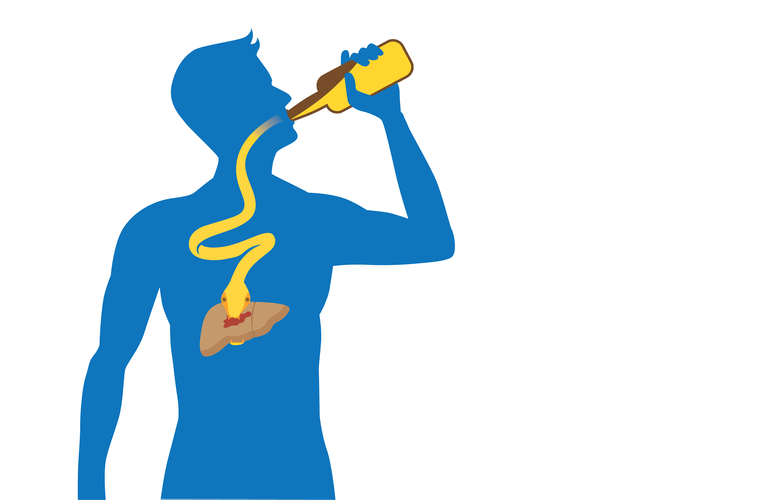
Psychological symptoms involve drug-induced psychosis, agitation, excited delirium, anxiety and panic. Cardiovascular events like stroke and arrhythmia are common and may cause death. Other reasons for death related to amphetamine overdose include kidney failure, brain hemorrhage, seizures and respiratory failure.
- Mentally, chronic misuse induces psychosis, characterized by hallucinations, delusions, and paranoia, and increases the risk of aggressive behavior.
- People should immediately call 911 if an amphetamine overdose is suspected.
- For instance, they will cause tachycardia by stimulating the sympathetic nervous system.
- This is why it is recommended for those dependent on amphetamines to withdraw in the care of professionals.
During the intervention, these people gather together to have a direct, heart-to-heart conversation with the person about the consequences of addiction. Substituted cathinones, also called “bath salts,” are mind-altering (psychoactive) substances similar to amphetamines such as ecstasy (MDMA) and cocaine. Two groups of synthetic drugs — synthetic cannabinoids and substituted or synthetic cathinones — are illegal in most Halfway house states. The effects of these drugs can be dangerous and unpredictable, as there is no quality control and some ingredients may not be known. People use cannabis by smoking, eating or inhaling a vaporized form of the drug.